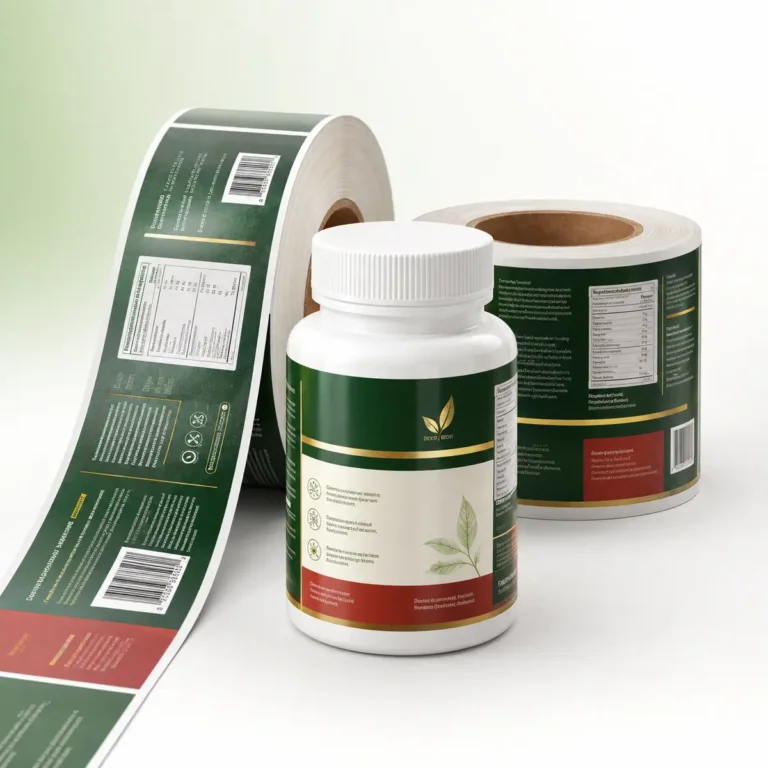





Việc lựa chọn vật liệu nhãn không chỉ là quyết định về mặt thị giác. Lớp mặt (face stock), keo dán, lớp lót (liner), phương pháp in và bề mặt hoàn thiện phải kết hợp hài hòa với bao bì, quy trình chiết rót, điều kiện bảo quản và thiết bị dán nhãn. Một vật liệu hoạt động tốt trên hộp carton khô có thể thất bại trên chai lạnh, lọ mỹ phẩm chứa dầu hoặc bao bì dẻo.
Hướng dẫn này so sánh bốn loại vật liệu nhãn và sticker được sử dụng phổ biến—giấy, BOPP, PET và vinyl—và giải thích cách các đội ngũ đóng gói có thể lựa chọn cấu trúc thực tế cho nhãn sản phẩm. Tài liệu được biên soạn cho chủ thương hiệu, nhà sản xuất gia công, người mua bao bì và kỹ sư đang chuẩn bị thông số kỹ thuật cho nhãn tùy chỉnh.
So sánh nhanh: Nhãn Giấy, BOPP, PET và Vinyl
| Vật liệu | Phù hợp nhất cho | Ưu điểm chính | Hạn chế quan trọng |
|---|---|---|---|
| Giấy | Sản phẩm khô trong nhà, hộp, lọ và chương trình khuyến mãi ngắn hạn | Vẻ ngoài tự nhiên, tương thích in ấn rộng, tiết kiệm cho nhiều ứng dụng | Khả năng chống nước, dầu, mài mòn và rách thấp hơn trừ khi được bảo vệ |
| BOPP / Màng PP | Đồ uống, thực phẩm, mỹ phẩm, sản phẩm gia dụng và ứng dụng nhãn trong suốt | Chống ẩm, màng dẻo, tùy chọn trắng hoặc trong suốt, vẻ ngoài kệ đẹp | Yêu cầu lựa chọn mực in, lớp phủ và keo dán phù hợp cho ứng dụng |
| Màng PET | Hàng bền, điện tử, hóa chất, nhãn an ninh và nhãn công nghiệp yêu cầu khắt khe | Độ bền cao, ổn định kích thước, chịu nhiệt và chống mài mòn | Thường chi phí cao hơn và kém đàn hồi hơn màng PP mỏng |
| Vinyl | Đồ họa ngoài trời, nhãn thiết bị, sticker xe cộ và sticker cắt hình quảng cáo | Linh hoạt và dễ uốn theo bề mặt; các cấu trúc phù hợp có thể hỗ trợ đồ họa ngoài trời bền lâu | Tuổi thọ ngoài trời phụ thuộc vào mực in, lớp phủ, keo dán, xử lý bề mặt và điều kiện tiếp xúc; cần kiểm nghiệm toàn bộ cấu trúc |
Bảng trên chỉ là điểm khởi đầu. Hiệu suất cuối cùng phụ thuộc vào cấu trúc hoàn chỉnh của nhãn và môi trường đóng gói thực tế. Hãy kiểm tra mẫu trên bao bì sản xuất thực tế bất cứ khi nào độ bám dính hoặc độ bền là yếu tố quan trọng.
Vật liệu nhãn giấy
Giấy thường được lựa chọn khi chi phí, chất lượng in và vẻ ngoài tự nhiên, mộc mạc là ưu tiên hàng đầu. Giấy tráng phủ tạo ra màu sắc mịn màng cho đồ họa bán lẻ, trong khi giấy không tráng và giấy có vân có thể hỗ trợ vẻ ngoài thủ công, cao cấp hoặc bền vững.
Các tùy chọn giấy phổ biến
- Giấy tráng phủ: bề mặt mịn cho đồ họa chi tiết, chữ nhỏ và in màu đầy đủ.
- Giấy không tráng: kết cấu tự nhiên hơn và bề mặt có thể viết, tùy thuộc vào lớp phủ và hệ thống mực in.
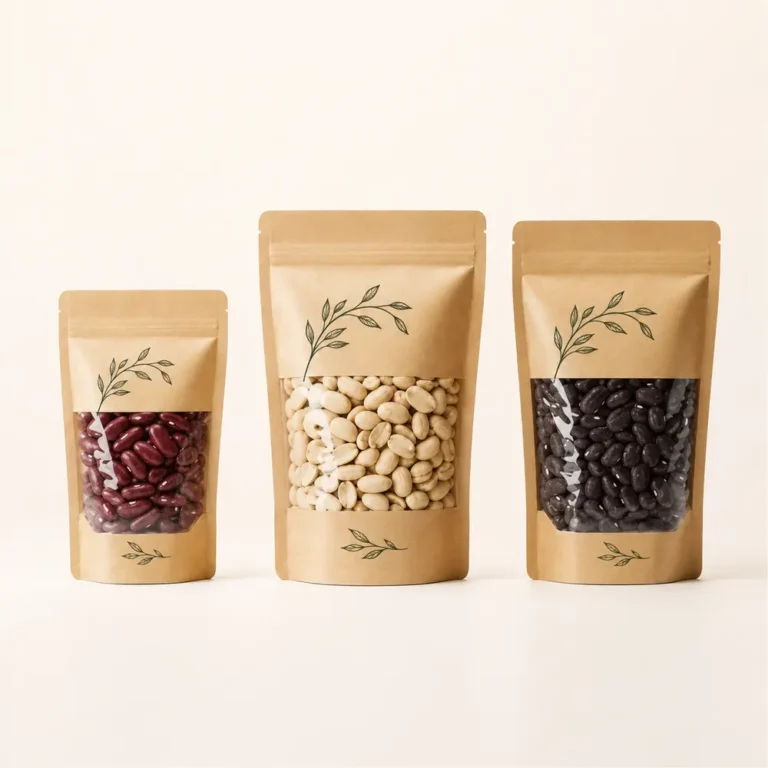
- Giấy Kraft: vẻ ngoài nâu hoặc tự nhiên cho bao bì thực phẩm, chăm sóc cá nhân và phong cách thủ công.
- Giấy kim loại hóa: vẻ ngoài phản chiếu cho nhãn trang trí và một số ứng dụng khuyến mãi chọn lọc.
Khi nào giấy hoạt động tốt
Nhãn giấy là lựa chọn mạnh cho sản phẩm khô trong nhà, thùng carton, lọ thủy tinh, bao bì rượu vang và thực phẩm đặc sản, nhãn khuyến mãi và sản phẩm có chuỗi cung ứng được kiểm soát. Cán màng hoặc phủ bóng có thể cải thiện khả năng chống trầy xước và chống ẩm, nhưng không biến mọi cấu trúc giấy thành nhãn chống nước dài hạn.
Các câu hỏi cần kiểm tra trước khi chọn giấy
- Bao bì có được làm lạnh, đặt trong thùng đá hoặc tiếp xúc với hơi nước ngưng tụ không?
- Dầu, cồn, chất tẩy rửa hoặc thành phần mỹ phẩm có thể tiếp xúc với nhãn không?
- Nhãn có bị cọ xát trong quá trình đóng gói, vận chuyển hoặc sử dụng của người tiêu dùng không?
- Khả năng tái chế hoặc vẻ ngoài giấy tự nhiên có quan trọng hơn độ bền lâu dài không?
Nhãn màng BOPP và Polypropylene
BOPP là màng polypropylene được sử dụng rộng rãi cho nhãn sản phẩm cần khả năng chống ẩm và độ bền tốt hơn giấy tiêu chuẩn. Có sẵn ở dạng trắng, trong suốt, xuyên thấu và kim loại hóa. Vì màng không hấp thụ nước như giấy chưa xử lý, nó thường được sử dụng trên bao bì đồ uống, thực phẩm, mỹ phẩm, chăm sóc cá nhân và sản phẩm gia dụng.
BOPP trắng
BOPP trắng cung cấp nền đục cho tái tạo màu sắc mạnh mẽ. Hữu ích khi màu sắc của bao bì hoặc nội dung sản phẩm không nên ảnh hưởng đến thiết kế. Có thể thêm lớp phủ bóng hoặc mờ theo vẻ ngoài kệ mong muốn.
BOPP trong suốt
BOPP trong suốt có thể tạo hiệu ứng không nhãn trên thủy tinh hoặc nhựa trong suốt. Nhãn trong suốt thành công đòi hỏi sự chú ý đến độ trong của keo dán, độ sạch của bao bì, áp lực dán và khả năng xuất hiện bọt khí hoặc mờ sương. Mực trắng có thể được in bên dưới các khu vực thiết kế chọn lọc để màu sắc vẫn hiển thị rõ trên sản phẩm.
BOPP kim loại hóa
Màng kim loại hóa tạo nền phản chiếu có thể kết hợp với mực trắng đục và mực màu. Hữu ích cho hiệu ứng trang trí mà không cần dán lá kim loại lên mọi khu vực kim loại. Thiết kế cần xác định rõ khu vực nào là kim loại, nền trắng hoặc trong suốt.
Nơi BOPP cần kiểm tra cẩn thận
Vật liệu màng đơn thuần không đảm bảo hiệu suất. Keo dán phải phù hợp với năng lượng bề mặt và hình dạng của bao bì. Đường kính rất nhỏ, bao bì có thể bóp, bề mặt có vân và nhiễm bẩn từ dầu hoặc bột có thể tạo ra các mép bong tróc. Nhà sản xuất cần biết vật liệu bao bì, nhiệt độ dán tối thiểu và môi trường sử dụng trước khi sản xuất.
Vật liệu nhãn PET
Màng PET được chọn cho các ứng dụng yêu cầu độ bền cao hơn, ổn định kích thước và khả năng chịu nhiệt, hóa chất hoặc mài mòn. Các ứng dụng phổ biến bao gồm điện tử, dụng cụ, thiết bị bền, linh kiện công nghiệp, nhãn cảnh báo, nhận dạng tài sản và một số nhãn an ninh chọn lọc.
Ưu điểm của PET
- Độ bền kéo cao và khả năng chống rách
- Ổn định kích thước tốt cho đồ họa chính xác và thông tin biến đổi
- Tương thích với lớp cán bền và lớp phủ bảo vệ
- Các dạng trắng, trong suốt, bạc và đặc biệt
- Phù hợp cho ứng dụng mã vạch, số sê-ri và nhận dạng yêu cầu khắt khe
Hạn chế cần cân nhắc
PET thường cứng hơn và đắt hơn so với các màng nhãn PP thông dụng. Trên bao bì cong chặt hoặc có thể bóp méo, màng mỏng hơn và dễ uốn theo bề mặt có thể hoạt động tốt hơn. Khả năng chống hóa chất cũng phụ thuộc vào lớp phủ trên, mực in, ribbon, keo dán và lớp phủ bảo vệ—không chỉ vào vật liệu mặt PET.
Nhãn Vinyl và Sticker Cắt hình
Vinyl linh hoạt và bền bỉ, hữu ích cho đồ họa ngoài trời, nhãn thiết bị, sticker xe cộ và ứng dụng quảng cáo. Đặc biệt phù hợp với các hình dạng được cắt riêng lẻ, nơi phần in và lớp nền đi theo đường viền thiết kế.
Đối với sticker được cung cấp dưới dạng các miếng riêng biệt, vui lòng xem giải pháp nhãn cắt chết. Đối với nhiều nhãn được sắp xếp trên tấm phẳng, xem nhãn tờ theo yêu cầu. Tuổi thọ ngoài trời vẫn phụ thuộc vào mực in, lớp phủ, keo dán, xử lý bề mặt và điều kiện tiếp xúc.
Lựa chọn Keo dán Quan trọng không kém Vật liệu Mặt
Vật liệu mặt đúng vẫn có thể thất bại khi kết hợp với keo dán sai. Các biến số chính là bề mặt bao bì, độ cong, nhiệt độ dán, nhiệt độ bảo quản và khả năng bóc tách theo yêu cầu.
| Loại Keo dán | Ứng dụng Điển hình | Kiểm tra Chính |
|---|---|---|
| Acrylic vĩnh viễn | Bao bì sản phẩm thông dụng và nhận dạng lâu dài | Xác nhận độ bám dính trên bề mặt nhựa, thủy tinh, kim loại hoặc giấy thực tế |
| Có thể bóc tách | Thông tin tạm thời, khuyến mãi và một số bao bì tái sử dụng | Kiểm tra thời gian bóc tách, nhiệt độ và khả năng để lại keo |
| Tủ đông / nhiệt độ thấp | Chiết rót lạnh, bảo quản lạnh và sản phẩm đông lạnh | Phân biệt nhiệt độ dán với nhiệt độ sử dụng sau đó |
| Độ bám dính cao | Bao bì có kết cấu, khó dán hoặc năng lượng bề mặt thấp | Kiểm tra hiện tượng bong mép, nhu cầu định vị lại và áp lực dán |
| Chống hóa chất chuyên dụng | Ứng dụng công nghiệp, phòng thí nghiệm và một số ứng dụng gia dụng | Xác định hóa chất, nồng độ, thời gian tiếp xúc và nhiệt độ |
Câu hỏi về Bao bì và Ứng dụng cần Trả lời
Trước khi yêu cầu báo giá, hãy thu thập các thông tin sau. Những chi tiết này cho phép nhà sản xuất nhãn đề xuất cấu trúc đáng tin cậy hơn và giảm nhu cầu lấy mẫu nhiều lần.
- Vật liệu bao bì: thủy tinh, HDPE, LDPE, PET, PP, kim loại, bìa cứng tráng phủ hoặc bề mặt khác.
- Hình dạng bề mặt: phẳng, hình trụ, thuôn, đường kính nhỏ, có kết cấu hoặc có thể bóp méo.
- Kích thước nhãn: chiều rộng và chiều cao thành phẩm, bao gồm bán kính góc hoặc hình dạng cắt tùy chỉnh.
- Phương pháp dán: dán thủ công hoặc máy dán nhãn tự động.
- Điều kiện dán: bề mặt sạch và khô, chiết rót lạnh, ngưng tụ, dầu, bụi hoặc bột.
- Điều kiện sử dụng: trong nhà, ngoài trời, bảo quản lạnh, đông lạnh, ẩm ướt, tiếp xúc hóa chất hoặc mài mòn.
- Tuổi thọ yêu cầu: khuyến mãi tạm thời, thời hạn sử dụng sản phẩm thông thường hoặc nhận dạng bền lâu nhiều năm.
- Thông số cuộn: kích thước lõi, đường kính ngoài tối đa, hướng quấn và số nhãn mỗi cuộn.
In, Cán màng và Hoàn thiện
Lựa chọn vật liệu phải được phối hợp với thiết kế và hoàn thiện. CMYK in đủ màu, màu pha Pantone, mực trắng, hiệu ứng kim loại, lá ép, phủ UV cục bộ và dữ liệu biến đổi đều ảnh hưởng đến quy trình sản xuất. Chữ nhỏ, mã vạch và bảng thông tin dinh dưỡng nên được kiểm tra ở kích thước thực tế thay vì chỉ trên màn hình lớn.
Màng cán cung cấp khả năng bảo vệ vật lý tốt hơn so với bề mặt in không được bảo vệ trong nhiều ứng dụng. Vecni có thể mang lại lớp bảo vệ nhẹ hơn khi môi trường sử dụng ít khắc nghiệt hơn. Bề mặt mờ giảm chói nhưng có thể thay đổi màu sắc hiển thị; bề mặt bóng có thể tăng độ tương phản và độ bão hòa. Đối với vật liệu kim loại hoặc trong suốt, cần xác định lớp mực trắng trong thiết kế.
Nhãn cho Dán Tự động
Dán nhãn tự động đòi hỏi nhiều hơn kích thước nhãn chính xác. Lớp lót, độ chính xác cắt khuôn, loại bỏ ma trận, khoảng cách nhãn, độ căng cuộn, lõi và hướng quấn phải phù hợp với máy. Chia sẻ sơ đồ máy dán nhãn hoặc cuộn mẫu bất cứ khi nào có thể. Chạy thử sản xuất ngắn đặc biệt có giá trị đối với dây chuyền tốc độ cao, chai nhỏ và màng trong suốt.
Cách Thực hiện Kiểm tra Nhãn Hữu ích
- Dán mẫu lên chai lọ sản xuất thực tế, không chỉ trên tấm thí nghiệm.
- Làm sạch và chuẩn bị bề mặt theo cùng cách sử dụng trên dây chuyền chiết rót.
- Dán ở nhiệt độ và áp suất dự kiến của dây chuyền.
- Để keo dính phát huy theo thời gian lưu hóa khuyến nghị của nhà cung cấp.
- Đưa bao bì tiếp xúc với điều kiện làm lạnh, độ ẩm, mài mòn hoặc hóa chất thực tế.
- Kiểm tra bong tróc cạnh, bọt khí, nếp nhăn, trầy xước bề mặt in, khả năng đọc mã vạch và hành vi bóc tách.
Kiểm tra ngắn không thể tái hiện mọi điều kiện lâu dài, nhưng có thể xác định sự không phù hợp rõ ràng trước khi chạy sản xuất toàn bộ.
Ví dụ Lựa chọn Vật liệu
- Chai thực phẩm bổ sung dạng khô: giấy tráng có thể phù hợp cho nhãn tiết kiệm; BOPP trắng mang lại khả năng chống ẩm và chịu va chạm tốt hơn.
- Đồ uống ướp lạnh: BOPP trắng hoặc trong suốt với keo dính được chọn cho ngưng tụ và nhiệt độ dán thường là điểm khởi đầu tốt hơn so với giấy tiêu chuẩn.
- Hũ mỹ phẩm: BOPP có thể chống ẩm trong phòng tắm, trong khi kiểm tra keo dính nên bao gồm bề mặt cong và khả năng tiếp xúc với dầu.
- Thiết bị công nghiệp: PET với hệ thống in bền và màng cán bảo vệ có thể phù hợp khi dự kiến có nhiệt, hóa chất hoặc mài mòn.
- Sản phẩm tự nhiên cao cấp: giấy có vân hoặc giấy kraft có thể hỗ trợ ngoại quan mong muốn nếu môi trường khô và kiểm soát được mài mòn.
Câu hỏi thường gặp
Nhãn BOPP có chống nước không?
Mặt BOPP chống ẩm, nhưng hiệu suất tổng thể của nhãn phụ thuộc vào keo dính, mực, lớp phủ, cạnh và bề mặt dán. Cấu trúc thành phẩm nên được kiểm tra trong điều kiện thực tế.
PET có luôn tốt hơn BOPP không?
Không. PET mang lại độ bền và độ ổn định cao hơn, nhưng BOPP có thể dễ uốn theo bề mặt và tiết kiệm hơn cho chai thông thường và bao bì mềm. Vật liệu tốt nhất là vật liệu đáp ứng hiệu suất yêu cầu mà không tốn chi phí không cần thiết.
Nhãn giấy có thể cán màng không?
Có. Cán màng bóng hoặc mờ có thể cải thiện khả năng chống trầy xước và chống ẩm. Cạnh giấy lộ ra và keo dính vẫn cần được xem xét trong ứng dụng ẩm ướt hoặc làm lạnh.
Cần thông tin gì để báo giá chính xác?
Cung cấp kích thước nhãn, số lượng, số thiết kế, vật liệu và đường kính chai lọ, mặt vật liệu ưu tiên, yêu cầu keo dính, hoàn thiện, phương pháp dán, hướng cuộn, kích thước lõi và thiết kế. Ảnh hoặc mẫu chai lọ rỗng có thể hữu ích khi bề mặt không thông thường.
Chai và Hũ Thực phẩm Bổ sung
Chai đựng vitamin, kẹo dẻo, viên nang, collagen và thực phẩm chức năng thường cần vật liệu và keo dính phù hợp với bề mặt chai, điều kiện bảo quản và phương pháp dán. Xem nhãn thực phẩm bổ sung tùy chỉnh cho chai và hũ, của chúng tôi, sau đó sử dụng hướng dẫn in nhãn thực phẩm bổ sung để xác nhận thiết kế, hoàn thiện và thông số cuộn.
Request a Material Recommendation
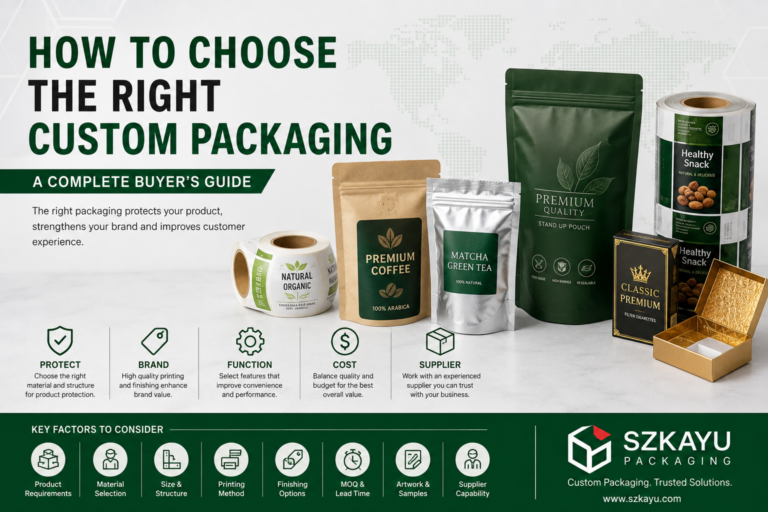
SZKAYU sản xuất nhãn in tùy chỉnh, nhãn cuộn, nhãn tờ và nhãn bảo mật và ba chiều cho các dự án bao bì B2B.
Gửi thông tin chi tiết chai lọ, kích thước nhãn, số lượng, thiết kế và điều kiện dán qua biểu mẫu báo giá. của chúng tôi. Chúng tôi có thể xem xét thông số kỹ thuật và đề xuất cấu trúc nhãn giấy, BOPP, PET hoặc vinyl để lấy mẫu và sản xuất.