






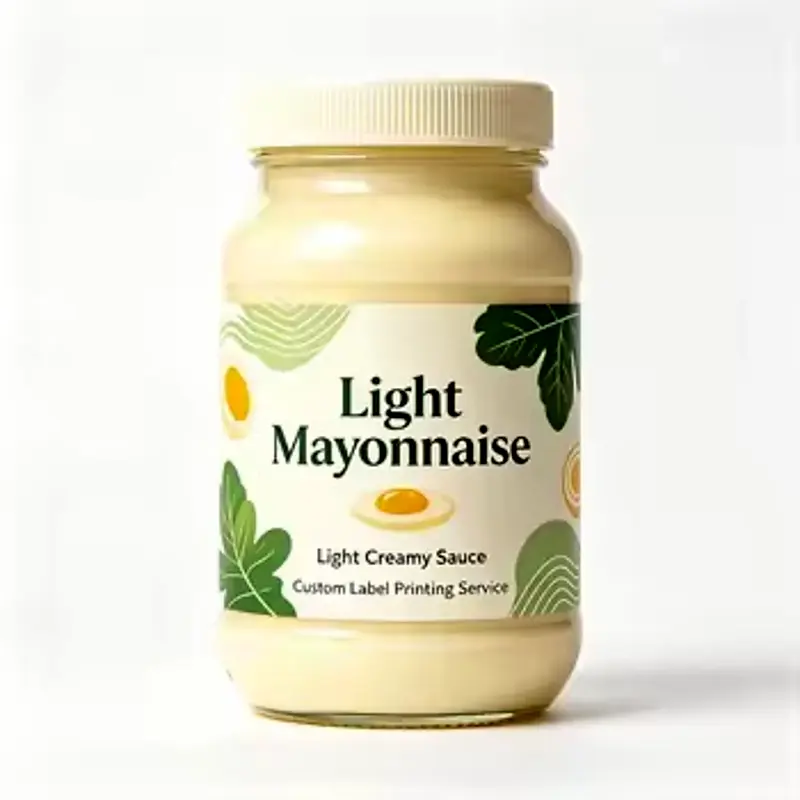
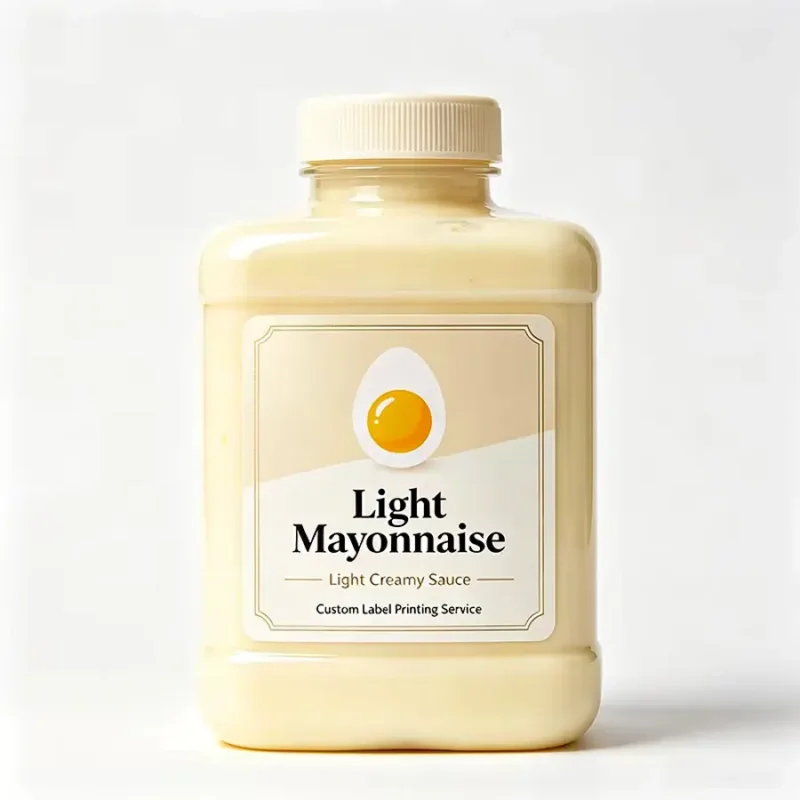
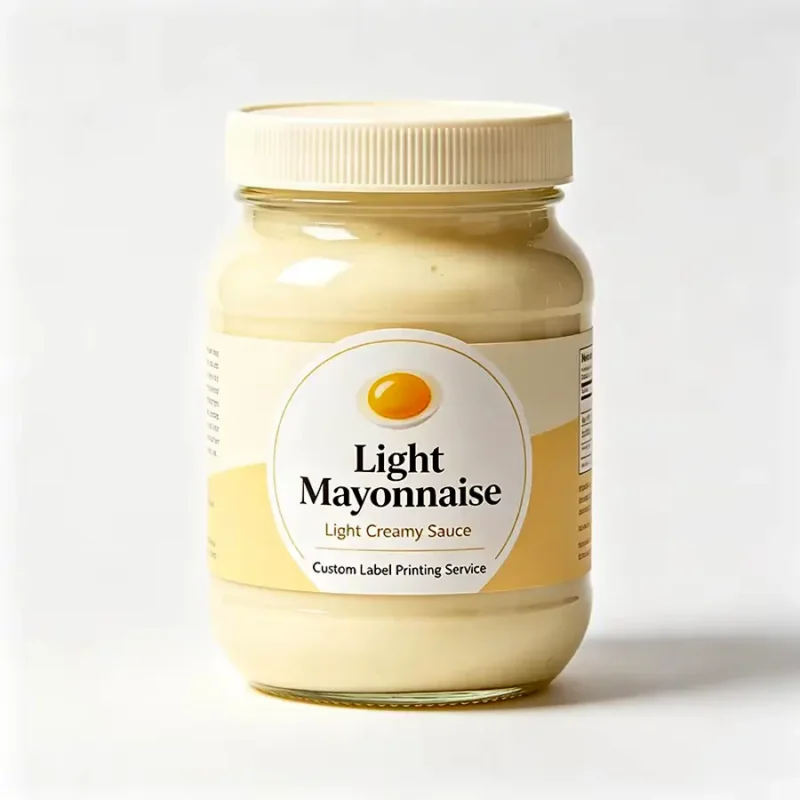
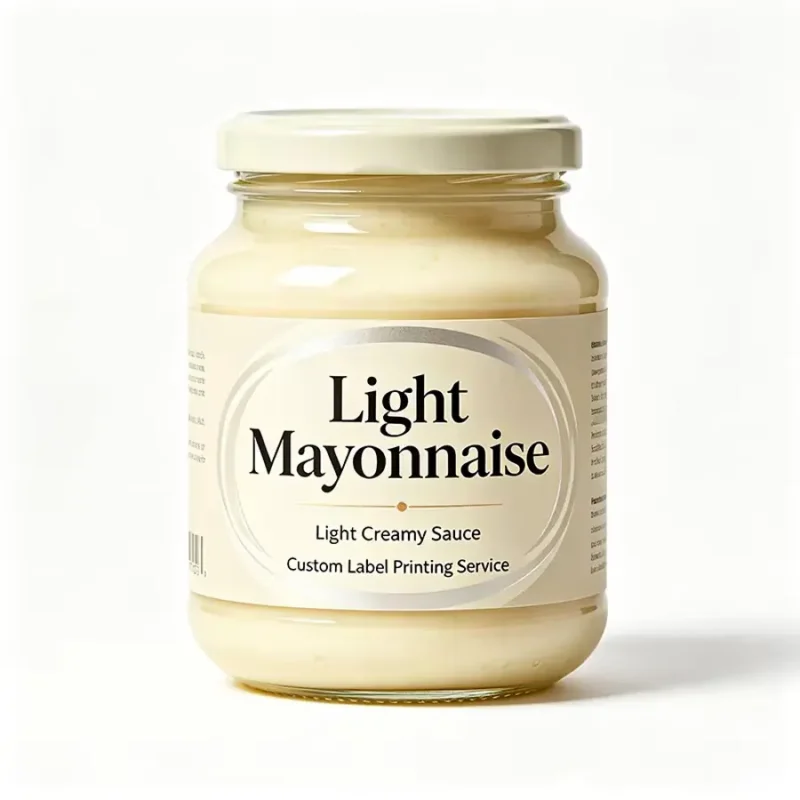
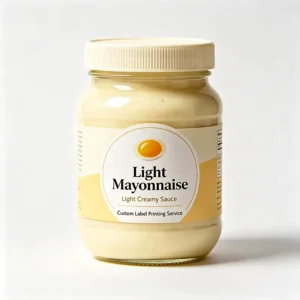
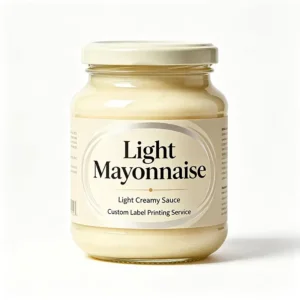
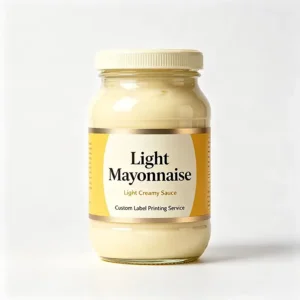
Custom Food Labels
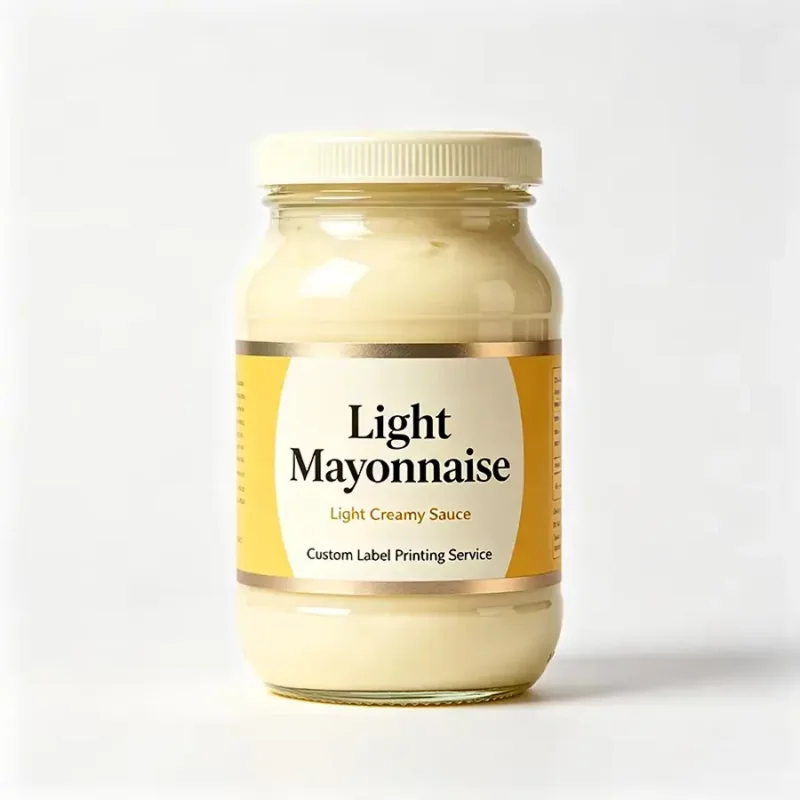
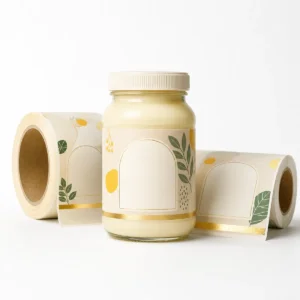
Custom food labels manufactured for jars, bottles, tubs, boxes and flexible packaging, with materials and adhesives selected for ambient, refrigerated, freezer and moisture-exposed applications. Choose paper, BOPP, PET, clear or metallized films, protective finishes, custom shapes and roll specifications for manual or automatic labeling.
Custom Food Labels for Jars, Bottles and Packaging
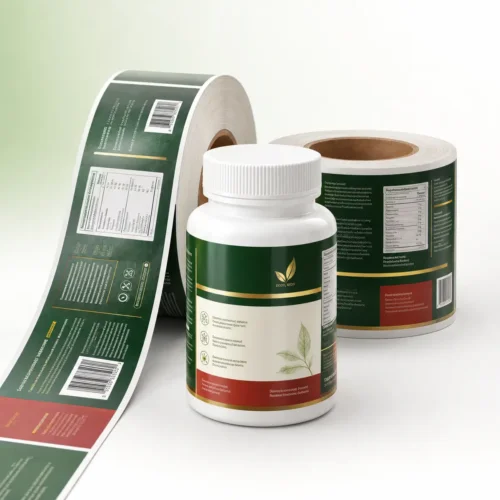
Custom food labels must communicate product information clearly, support the brand design and remain attached throughout filling, transport, storage, retail display and consumer use. SZKAYU manufactures printed labels for sauces, condiments, preserves, beverages, snacks, bakery products, coffee, frozen foods and other packaged products.
Labels can be supplied in custom sizes, shapes and roll formats for glass, PET, HDPE, PP, coated paperboard and flexible packaging. Material and adhesive recommendations are based on the container surface, filling process, application temperature, storage environment and expected exposure to water, oil or condensation. For general printing capabilities, see our custom printed labels.
Custom Food Packaging Labels for Private-Label Brands
SZKAYU supplies custom food packaging labels for private-label foods, sauces, beverages, snacks, coffee, bakery products and refrigerated goods. Each construction is matched to the container, filling and labeling process, storage temperature, moisture or oil exposure and required shelf appearance. Compare paper, BOPP, PET and other options in our label material selection guide.
Information Required for a Fast Food Label Quote
- Finished label width, height, shape and total quantity
- Number of SKUs and quantity required for each design
- Container material, surface texture, diameter and shape
- Manual application or labeling-machine model and speed
- Application temperature and whether the container is wet, cold or filled
- Storage environment: ambient, refrigerated, freezer or wet retail display
- Possible exposure to oil, sauce, moisture, cleaning or repeated handling
- Required label material, finish, barcode and variable information
- Core size, maximum roll diameter, unwind direction and label gap
- Artwork files and any applicable packaging or food-contact requirements
Match the Label to the Food Container
Glass Jars and Bottles
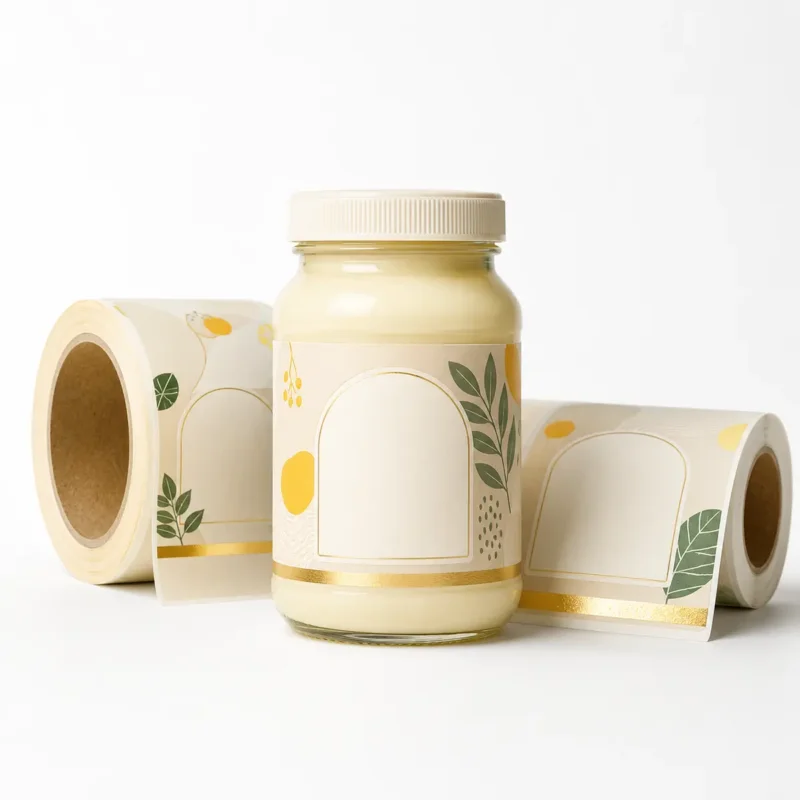
Glass is a stable labeling surface, but condensation, filling temperature, coatings and container curvature still affect performance. Paper, white film, clear film and metallized materials may all be considered for sauces, preserves, honey, beverages and premium food products.
PET, HDPE and PP Containers
Plastic containers vary in surface energy and may be rigid, squeezable or highly curved. The adhesive should be matched to the specific resin, surface treatment and label size. PP and some HDPE containers may require an adhesive developed for lower-surface-energy plastics.
Flexible Pouches and Squeezable Packaging
Labels used on pouches, squeeze bottles or flexible containers need enough conformability to move with the package. An overly stiff material or a label extending into the squeeze area may wrinkle or lift during use.
Boxes, Sleeves and Secondary Packaging
Food labels for coated cartons, bakery boxes and sleeves can carry branding, ingredients, batch information or promotional messages. Paper or film materials can be supplied as roll labels, sheet labels or individual pieces according to the packing process.
Materials and Adhesive Options
- Coated paper: economical for dry, ambient retail applications
- Uncoated or textured paper: supports natural, craft and premium food branding
- White BOPP: moisture-resistant and suitable for many jars, bottles and tubs
- Clear BOPP or PET: creates transparent graphics and a no-label-look effect
- Metallized film: provides a reflective base for premium and high-impact packaging
- Permanent adhesive: selected for long-term bonding to the specified container
- Removable adhesive: available for promotional, temporary or clean-removal applications
- Refrigerated or freezer constructions: selected according to application and service temperatures
- Application-specific adhesive: considered for oily surfaces, tight curves or low-surface-energy plastics
Refrigerated, Frozen and Moisture-Exposed Applications
Application Temperature Versus Service Temperature
A label may be stored in a freezer but applied at room temperature, or it may need to be applied to a cold container. These are different requirements. Tell us both the application temperature and the lowest expected storage temperature so the adhesive can be selected correctly.
Condensation and Wet Containers
Condensation can interfere with initial adhesion. Whenever possible, labels should be applied to a clean and dry surface. If cold or damp application is unavoidable, provide the actual filling and labeling conditions so samples can be evaluated.
Oil, Sauce and Handling Resistance
Edible oils, sauces and repeated handling can affect unprotected paper and printed surfaces. Film materials, lamination or a protective varnish can improve resistance to moisture, scuffing and product splashes. The actual product and cleaning process should be included in testing.
Printing and Finishing Options
- Full-color CMYK printing and Pantone spot-color matching
- Opaque white ink for clear or metallic label materials
- Gloss, matte and soft-touch lamination or protective varnish
- Hot foil, cold foil and metallic visual effects
- Embossing, debossing and selective spot UV
- Custom die-cut shapes, rounded corners and wraparound formats
- Barcodes, QR codes, batch fields and sequential variable data
- Custom roll orientation for manual and automatic application
Food Label Information and Artwork
Artwork can include brand graphics, product name, ingredients, allergen statements, nutrition information, preparation directions, origin, batch fields, dates, barcodes and regulatory text. Vector files are preferred for logos, fine text, die lines and special finishes. Fonts should be outlined or supplied, and white ink, foil and spot UV areas should be clearly identified.
The brand owner is responsible for confirming the accuracy, language and legal compliance of food information in each destination market. Standard pressure-sensitive labels are normally intended for packaging surfaces rather than direct food contact. If the label or adhesive may directly contact food, tell us before quotation so the required construction and documentation can be evaluated.
Roll Specifications for Labeling Machines
For automatic application, provide the machine model, core diameter, maximum outside roll diameter, label gap, liner width, unwind direction and printed orientation. The label shape, web width and sensing method must work with the equipment and the container’s presentation on the line.
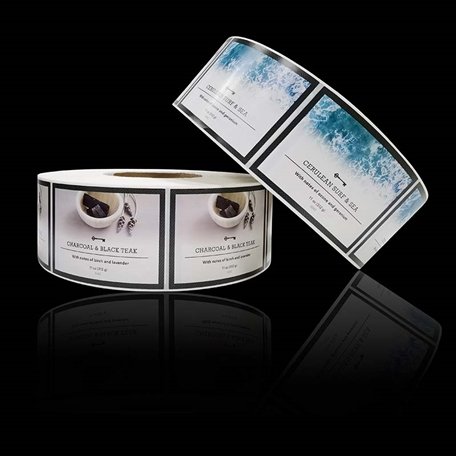
Multiple SKUs using the same size and material can often share a common roll specification. See our custom roll labels page for more machine and roll-converting details. For hand application or smaller batches, custom sheet labels may also be suitable.
Typical Product Specifications
| Specification | Custom Options |
|---|---|
| Applications | Sauces, condiments, beverages, preserves, snacks, bakery, coffee, frozen and private-label foods |
| Containers | Glass, PET, HDPE, PP, coated paperboard and flexible packaging |
| Face materials | Coated paper, textured paper, white film, clear film and metallized film |
| Adhesives | Permanent, removable, refrigerated, freezer and application-specific systems |
| Printing | CMYK, Pantone colors, white ink and variable data |
| Protection | Gloss or matte lamination, varnish and specialty coatings |
| Premium finishes | Foil, embossing, debossing, spot UV and metallic effects |
| Shapes | Rectangular, round, oval, wraparound and custom die-cut profiles |
| Supply format | Rolls, sheets or individually cut pieces |
| Core and roll diameter | Customized for dispensers and labeling equipment |
| Orientation | Custom unwind direction and printed presentation |
| Variable information | Barcodes, QR codes, sequential numbering and batch fields |
| Order quantity | Confirmed according to size, material, process and number of SKUs |
Testing the Label on Your Packaging
Representative containers should be used to evaluate adhesion, edge lifting, wrinkling, clarity, scuff resistance and appearance. Testing is especially important for refrigerated or frozen products, oily surfaces, squeezable packaging, tight curves and containers that develop condensation.
When possible, test labels after the normal filling, cooling, storage and handling process rather than only on an empty room-temperature container. This provides a more realistic indication of application and service performance.
Development and Production Process
- Application review: We review the container, product exposure, storage conditions, application method and artwork.
- Material recommendation: Face material, adhesive, liner, print process and protection are proposed.
- Proof and sample approval: Dimensions, colors, die line, barcode, finish and roll direction are confirmed.
- Printing and converting: Labels are printed, protected, die cut, inspected and rewound or sheeted.
- Final inspection and packing: Finished labels are checked against the approved specification before shipment.
Quality Checks Before Shipment
- Finished dimensions, die-cut shape and liner condition
- Color, fine text, white ink and print registration
- Barcode or QR-code readability when included
- Lamination, varnish, foil and other finishing appearance
- Core size, roll diameter, unwind direction, label gap and quantity
- Adhesion or application tests when included in the approved plan
- Roll winding, splices, identification and protective packing
Tamper-Evident and Security Options
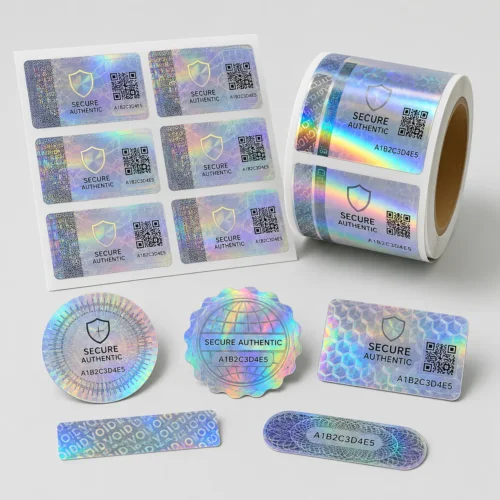
Food jars, bottles and boxes may use lid seals, opening labels or security features to show evidence of opening and support brand protection. Where required, see our tamper-evident security labels for VOID, destructible, serial-numbered and holographic options.
Frequently Asked Questions
What label material is best for refrigerated food?
White BOPP and other film materials are common because they resist moisture better than unprotected paper. The adhesive must be selected according to the container, application temperature and storage conditions.
Can labels be applied to frozen containers?
Yes, but applying a label to an already frozen or wet container is different from applying it at room temperature and freezing it later. Provide both application and service temperatures for evaluation.
Can food labels resist oil and sauce?
Film materials and protective lamination or varnish can improve resistance to splashes and handling. Testing should use the actual product and container because oil exposure and surface contamination vary.
Are the labels suitable for direct food contact?
Standard product labels are normally designed for the outside of packaging. If direct food contact is required, tell us the contact conditions and destination-market requirements before material selection.
What information is required for automatic labeling?
Please provide the machine model, core size, maximum roll diameter, unwind direction, label gap, liner width, sensing method and container orientation.
Can multiple food SKUs be produced in one order?
Yes. Designs sharing the same label size, material and finishing specification can often be grouped efficiently. Send the quantity for each SKU so we can evaluate the production arrangement.
Can you provide samples before mass production?
Sample options depend on size, material, adhesive, printing and testing requirements. Sending representative containers helps us recommend the most useful sampling route.
Request a Custom Food Label Quote
Send the label size, quantity, number of SKUs, container details, application and storage temperatures, exposure conditions, artwork and machine information. Use our contact and quote form to request a material recommendation and factory quotation.
| Material | Paper, Synthetic Materials, Custom |
|---|---|
| Printing | CMYK, Pantone, Custom |
| Adhesive | Permanent, Removable, Custom |
| Finish | Matte, Gloss, Lamination, Foil, Embossing |
| Shape | Custom |
| Size | Custom |
| Supply Format | Rolls, Sheets |
| Application | Product Labels, Packaging Labels, Brand Labels |