







Choosing the right packaging is not only about appearance. The correct packaging should protect the product, work efficiently with your filling or packing process, support your brand and meet your target cost.
For international buyers, selecting custom packaging can involve many decisions, including material, size, barrier performance, printing method, finishing, quantity and supplier capability.
This guide explains the key factors to consider when choosing custom packaging for your product.
1. Start With Your Product Requirements
Before selecting packaging, first understand what your product needs.
Different products have different protection requirements.
Important questions include:
Is the product solid, liquid or powder?
Does it contain oil or moisture?
Is it sensitive to oxygen or light?
Does it require a moisture barrier?
Does the packaging need to be heat sealed?
Will the product be stored at room temperature, refrigerated or frozen?
How long is the required shelf life?
These factors will determine which packaging materials and structures are suitable.
2. Choose the Right Packaging Format
The next step is selecting the most suitable packaging format.
Common options include:
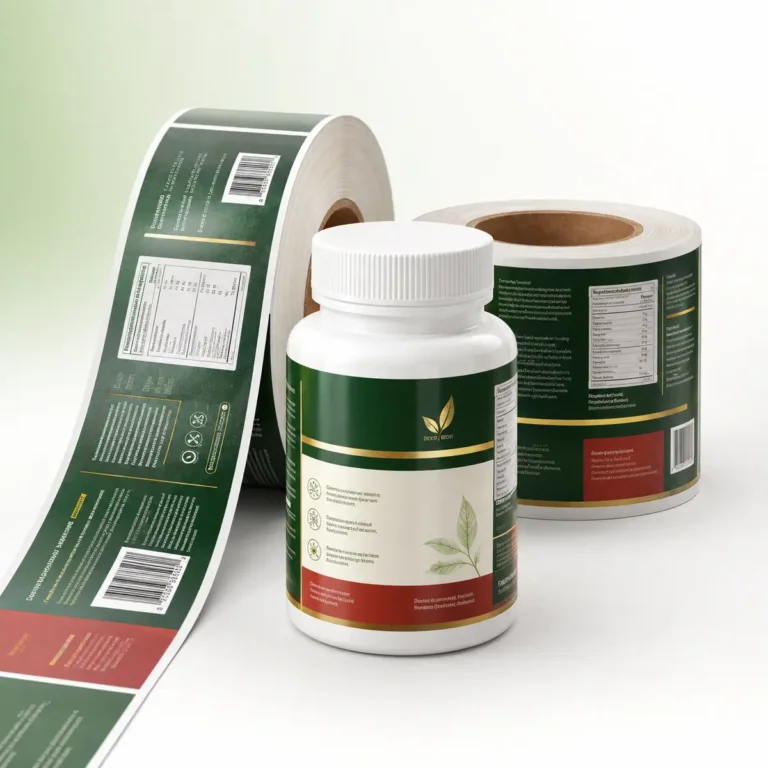
Labels & Stickers
Custom labels are suitable for bottles, jars, cartons, bags and many other products.
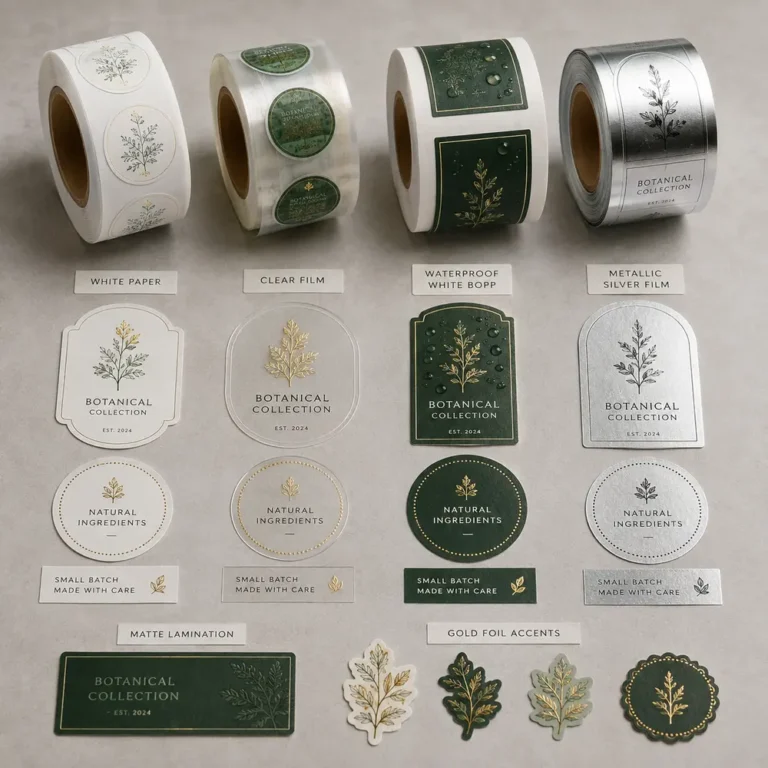
Label options include:
Paper labels
PET labels
BOPP labels
Clear labels
Security labels
Tamper evident labels
Holographic labels
Removable labels
The correct label material should be selected according to the surface, environment and application method.
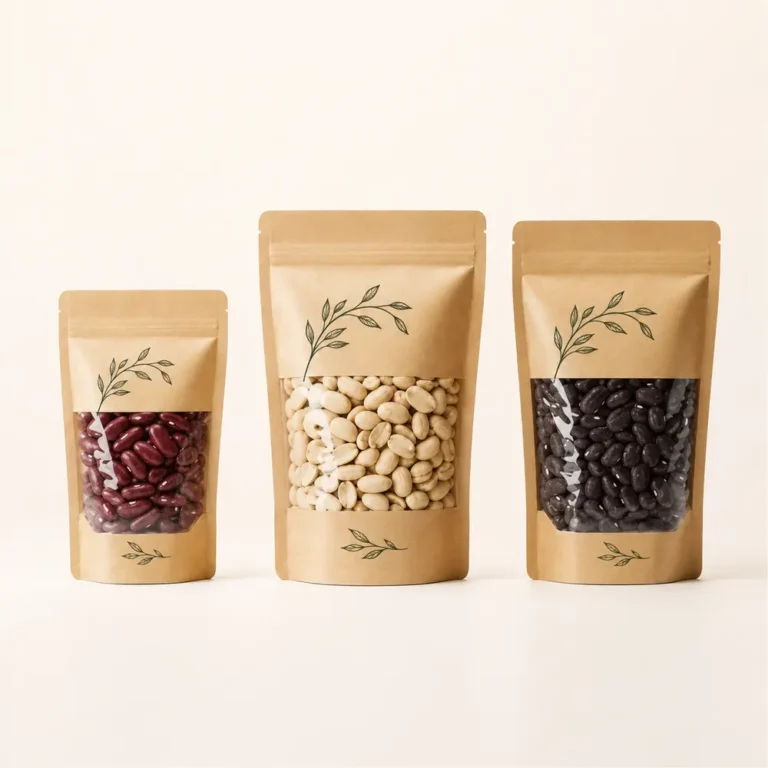
Stand Up Pouches
Stand up pouches are widely used for:
Coffee
Snacks
Pet food
Powder products
Tea
Nuts
Food ingredients
Cosmetics
They can include features such as zippers, tear notches, valves and spouts.
Rollstock Film
Rollstock packaging is suitable for automatic packaging machines and high-volume production.
It can be customized according to the machine width, repeat length, sealing temperature and packaging structure.
Cigarette Packaging
Cigarette packaging may include:
Cigarette boxes
Cigarette inner liners
Cigarette inner frame paper
Cigarette foil packaging
Resealable packaging materials
These materials often require accurate dimensions, good barrier performance and stable machine compatibility.
3. Select the Correct Packaging Material
Material selection is one of the most important parts of packaging development.
Common materials include:
PET
PET provides good strength, dimensional stability and printability.
It is commonly used in:
Labels
Flexible packaging
Laminated structures
High-barrier packaging
BOPP
BOPP offers good clarity, moisture resistance and printing performance.
It is widely used for:
Labels
Packaging films
Snack packaging
Laminated flexible packaging
PE
PE is commonly used as a heat-sealing layer in flexible packaging.
It provides good flexibility and sealing performance.
Aluminum Foil
Aluminum foil provides excellent protection against:
Moisture
Oxygen
Light
Aroma loss
It is frequently used in high-barrier packaging and cigarette inner liner applications.
Paper and Paperboard
Paper-based materials are commonly used for:
Folding cartons
Cigarette boxes
Labels
Inner frame paper
Product packaging
They can also support premium finishing processes such as embossing and foil stamping.
4. Understand Barrier Requirements
Barrier performance is especially important for food, tobacco, coffee and other sensitive products.
Packaging may need protection against:
Moisture
Oxygen
Light
Odor
Grease
Aroma loss
For products requiring high barrier protection, laminated structures containing aluminum foil or metallized films may be suitable.
The correct structure depends on the product and required shelf life.
5. Confirm Packaging Size
Accurate dimensions are essential for custom packaging.
For pouches, buyers should usually provide:
Width
Height
Bottom gusset
Spout position if required
For rollstock films:
Film width
Repeat length
Roll direction
Core diameter
Roll diameter
Sealing position
For labels:
Width
Height
Shape
Roll direction
Core size
Number of labels per roll
For cigarette packaging, dimensions should match the packing equipment and finished product requirements.
6. Choose the Printing Method
Different printing methods are suitable for different packaging types and quantities.
Flexographic Printing
Suitable for:
Labels
Rollstock
Flexible packaging
It is efficient for medium and large production runs.
Gravure Printing
Suitable for high-volume flexible packaging with consistent print quality.
Typical applications include:
Stand up pouches
Rollstock films
Aluminum foil laminates
Offset Printing
Commonly used for:
Folding cartons
Cigarette boxes
Paper packaging
Digital Printing
Digital printing is suitable for:
Small quantities
Samples
Prototypes
Variable data
The best printing method depends on quantity, artwork and packaging material.
7. Select Finishing Options
Finishing can improve both appearance and functionality.
Common options include:
Gloss lamination
Matte lamination
Foil stamping
Embossing
Debossing
Spot UV
Holographic effects
Security printing
Variable numbering
Premium finishing can help products stand out on the shelf and create stronger brand recognition.
8. Consider Packaging Functionality
Packaging should be easy for both the customer and the packaging line to use.
Possible functional features include:
Zippers
Tear notches
Spouts
Degassing valves
Resealable labels
Tamper evident seals
Heat-seal layers
The required features depend on the final application.
9. Prepare Your Artwork Correctly
Correct artwork preparation helps prevent production errors.
Common artwork formats include:
AI
PDF
EPS
Artwork should normally include:
Correct dimensions
Bleed
Cutting lines
Color specifications
Pantone colors if required
Barcode or QR code files
Foil stamping layers
Spot UV layers
Embossing areas
Fonts should normally be converted to outlines before production.
10. Understand MOQ
MOQ, or Minimum Order Quantity, depends on several factors.
These may include:
Packaging type
Material
Printing process
Number of colors
Size
Finishing
Production setup cost
For custom printed packaging, larger quantities generally reduce the unit cost.
However, samples or digital printing may be more suitable for initial testing.
11. Request Samples Before Mass Production
For new packaging projects, samples are highly recommended.
Samples can help verify:
Size
Material
Structure
Printing quality
Color
Sealing performance
Machine compatibility
For high-volume packaging projects, confirming a sample before mass production can reduce risk.
12. Consider Your Packaging Machine
If the packaging will run on automatic equipment, machine compatibility is very important.
Provide your supplier with information such as:
Machine model
Film width
Roll direction
Core diameter
Repeat length
Sealing temperature
Packing speed
Packaging material should be designed to work consistently with the production equipment.
13. Compare Total Cost, Not Only Unit Price
The lowest unit price is not always the best packaging solution.
Buyers should consider:
Material quality
Printing consistency
Production waste
Packaging performance
Shipping cost
Lead time
Supplier reliability
Quality control
A slightly higher-quality material may reduce production problems and improve product protection.
14. Choose an Experienced Packaging Supplier
A reliable packaging supplier should be able to support more than printing.
Look for a supplier that can assist with:
Material selection
Packaging structure
Artwork checking
Printing
Lamination
Finishing
Quality inspection
Sample production
Export packaging
Good communication is especially important for international custom packaging projects.
Custom Packaging Solutions from SZKAYU
SZKAYU provides custom packaging and printing solutions for international customers.
Our main packaging categories include:
Custom Printed Labels
Custom labels, printed stickers, security labels and packaging labels.
Custom Printed Cigarette Boxes
Cigarette inner liners, cigarette boxes, inner frame paper and cigarette foil packaging.
Custom Printed Stand Up Pouches
Custom flexible packaging, high-barrier pouches and printed rollstock films.
We can help customers select materials, structures, printing methods and finishing options based on their specific packaging requirements.
What Information Should You Send for a Quotation?
To receive a more accurate quotation, prepare the following information:
Product type
Packaging size
Material or structure
Quantity
Number of designs
Printing colors
Finishing requirements
Packaging application
Artwork
Destination country
If you are not sure which material or structure is suitable, you can also send us your product information and packaging requirements.
Contact SZKAYU for Custom Packaging
Choosing the right packaging involves balancing protection, appearance, cost and production requirements.
If you are developing a new packaging project, contact SZKAYU Packaging with your specifications.
Our team can help you evaluate materials, printing technologies and packaging structures to find a suitable custom packaging solution.